

Microcurrent After a Facelift, Peel or HIFU, How Long to Wait
Medically reviewed by
4 independent reviewers
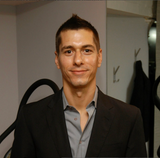
Andrew Conrad Barile, Physiotherapeut, Doktor der Physiotherapie
Doktor der Physiotherapie (DPT), Lizenzierter Physiotherapeut (PT)
Read bio
Dr. Andrew Conrad Barile ist Doktor der Physiotherapie sowie CEO und Gründer von Xtreem Pulse LLC. Er erwarb seinen Doktortitel in Physiotherapie am Daemen College und bringt über zwei Jahrzehnte klinische und unternehmerische Erfahrung in der pädiatrischen Physiotherapie, Craniosacraltherapie und medizinischen Geräteinnovation mit. Sein tiefes Verständnis der menschlichen Anatomie, Muskelphysiologie und therapeutischen Technologie bietet einen wissenschaftlich fundierten Ansatz für Gesichtsverjüngung und Anti-Aging-Lösungen.
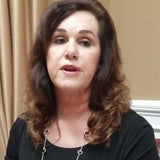
Bertica M. Rubio, M.D.
Medizinischer Direktor, Anti-Aging-Regenerationsmedizinische Klinik | Facharzt | Dartmouth Medical School
Read bio
Dr. Bertica M. Rubio ist eine zertifizierte Ärztin und medizinische Leiterin der Anti-Aging-Regenerationsklinik in Redlands, Kalifornien. Sie erwarb ihren Bachelor of Science an der Loyola Marymount University und ihren Doktortitel in Medizin an der Dartmouth Medical School (Geisel School of Medicine). Ihre Facharztausbildung in Pädiatrie absolvierte sie am UC Irvine Medical Center.
Mit jahrzehntelanger klinischer Erfahrung spezialisiert sich Dr. Rubio auf Altersmanagement, regenerative Medizin, Wundheilung und Wachstumsfaktor-Therapien. Ihre Praxis verbindet evidenzbasierte medizinische Wissenschaft mit fortschrittlichen ästhetischen und regenerativen Behandlungen, um Patienten zu optimaler Gesundheit und jugendlicher Vitalität zu verhelfen.
Dr. Rubio ist leidenschaftlich daran interessiert, Patienten über die Wissenschaft hinter Hautpflege, Gesichtsverjüngung und nicht-invasiven Technologien wie EMS (Elektrische Muskelstimulation) zur Gesichtstonung aufzuklären. Ihre Artikel für PureLift LAB verbinden fundiertes medizinisches Wissen mit praktischen Anleitungen für echte, nachhaltige Ergebnisse.
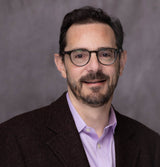
Daniel Grinberg, MD, FACS
Facharzt für Hals-Nasen-Ohren-Heilkunde und Kopf-Hals-Chirurgie | Fellow des American College of Surgeons | Assistenz-Professor für Klinische Medizin, Mount Sinai School of Medicine
Read bio
Daniel Grinberg, MD, FACS, ist ein von der Ärztekammer zertifizierter Hals-Nasen-Ohren-Arzt und Kopf-Hals-Chirurg bei ENT and Allergy Associates in West Nyack, NY. Er erwarb seinen medizinischen Abschluss an der Columbia University College of Physicians and Surgeons, absolvierte seine Facharztausbildung in Hals-Nasen-Ohren-Heilkunde am New York University Medical Center und ist Assistenzprofessor an der Mount Sinai School of Medicine. Er ist Fellow sowohl des American College of Surgeons als auch der American Academy of Otolaryngology.
Dr. Grinbergs Perspektive als Kopf-Hals-Chirurg bietet den Lesern von PureLift LAB eine erweiterte klinische Sichtweise — er verbindet die EMS-Anwendung zu Hause mit der zugrunde liegenden medizinischen Anatomie mit derselben wissenschaftlichen Genauigkeit, die wir auf jede Gerätespezifikation anwenden.

Prof. Dr. med. Ivo Buschmann
Lehrstuhl für Angiologie, Medizinische Hochschule Brandenburg | Klinikdirektor, Universitätsklinik für Angiologie, Brandenburgisches Klinikum | Ehemaliger Oberarzt, Charité Universitätsmedizin Berlin
Read bio
Prof. Dr. med. Ivo Buschmann ist Lehrstuhlinhaber für Angiologie an der Medizinischen Hochschule Brandenburg Theodor Fontane (MHB) und Klinikdirektor der Universitätsklinik für Angiologie am Brandenburgischen Universitätsklinikum. Er absolvierte seine medizinische Ausbildung an der Universität Hamburg, war Max-Planck-Gesellschaft-Stipendiat am Max-Planck-Institut für Herz- und Lungenforschung und hatte leitende Oberarztpositionen an der Charité Universitätsmedizin Berlin Campus Virchow inne, bevor er 2016 zum Lehrstuhlinhaber an der MHB berufen wurde.
Prof. Buschmann ist einer der führenden europäischen Experten für Arteriogenese – das durch Fluss angetriebene Wachstum und die Umgestaltung von Blutgefäßen – mit mehr als 150 begutachteten Veröffentlichungen und mehreren US- und EU-Patenten für Geräte, die das Wachstum von Kollateralgefäßen durch kontrollierte Scherkräfte-Therapie stimulieren. Seine Forschung verbindet mechanische und elektrische Stimulation mit vaskulärer Anpassung, Mikrozirkulation und Gewebeperfusion.
Die Beiträge von Prof. Buschmann bieten den Lesern von PureLift LAB eine gefäßbiologische Perspektive, die unsere bestehenden Autoren aus den Bereichen Klinik, Physiotherapie und chirurgische Anatomie ergänzt – und erklären, wie EMS-Stimulation nicht nur die Gesichtsmuskeln, sondern auch die Mikrozirkulation, die sie versorgt, aktiviert und warum eine intelligente Anwendung auf der Ebene des Blutflusses ebenso wichtig ist wie die Muskelkontraktion.
Teilen
Wait until your skin has fully healed and your provider has cleared you, which after surgery such as a facelift means following your surgeon's timeline, and after peels, HIFU, dermaplaning or microneedling means waiting until all redness, peeling, swelling and tenderness have gone.
This guide covers the common treatments, such as:
- facelift and other facial surgery
- chemical peels
- HIFU and other energy treatments
- dermaplaning
- microneedling, botox and fillers
and many more!
There is no single published waiting period for each treatment, so the rule throughout is that your provider has the final word.
Key Points:
Never use microcurrent on skin that is broken, peeling, red, swollen or tender.
After a facelift or other facial surgery, follow your surgeon's timeline, which may be weeks to months.
After a chemical peel, wait until peeling and redness have completely finished.
After HIFU or other energy treatments, wait until any swelling and tenderness have resolved and ask your provider.
Restart on the lowest level and build back up gradually.
The general rule
Microcurrent should only go on skin that is intact and calm. Any treatment that breaks, inflames or swells the skin needs to have fully healed first.
Your provider knows exactly what was done, so their timeline always takes priority over general guidance.
Do not use any facial current device if you have a pacemaker or other implanted electronic device, if you are pregnant or if you have epilepsy, and skip broken or irritated skin. The full list is in our safety article.
After a facelift or other facial surgery
Follow your surgeon's timeline exactly. Healing after facial surgery involves incisions, swelling and changes in sensation, and the timeline differs by procedure.
Ask specifically about electrical devices at your follow-up, and mention any metal implants or plates, which need your surgeon's clearance.
Once cleared, start on the lowest level, avoid incision lines and build up slowly.
After a chemical peel
Wait until all peeling, flaking and redness have finished. Deeper peels need longer.
Freshly peeled skin is more sensitive to current, so restart on the lowest level.
After HIFU and other energy treatments
HIFU, radiofrequency and laser treatments can leave swelling or tenderness. Wait until those have resolved, and ask your provider.
How microcurrent differs from radiofrequency is in our microcurrent vs radiofrequency article.
After dermaplaning
Dermaplaning removes the top layer of dead skin and fine hair. If there are no nicks and your skin is calm, many people return to microcurrent quickly, but wait if your skin feels sensitive.
After microneedling
Microneedling creates tiny channels in the skin, so wait until the skin has fully closed and any redness has gone, and follow your provider's advice. Our article on combining EMS with microneedling is in our microneedling timing article.
After botox and fillers
These have their own article, covering timing and placement. See our microcurrent with botox and fillers article.
How to restart
Start on the lowest level with plenty of conductive gel.
Keep sessions short at first and avoid any treated or sensitive area.
Stop if you feel stinging, burning or discomfort.
Our devices run nanocurrent at level 1, microcurrent at level 2 and EMS from level 3 to 10, plus an Infuse pass, on one dial, with three minutes per side of the face as the sweet spot, and no more than five minutes per side, ten minutes in total, and they work with any water-based conductive serum.
Frequently asked questions
How long after a facelift can I use microcurrent
Follow your surgeon's timeline, which may be weeks to months, and get their clearance first.
Can I use microcurrent after a chemical peel
Only once all peeling, flaking and redness have finished.
Can I use microcurrent after HIFU
Wait until any swelling and tenderness have resolved, and ask your provider.
Can I use microcurrent after dermaplaning
Usually yes once your skin is calm and there are no nicks.
Can I use microcurrent after microneedling
Wait until the skin has fully closed and redness has gone, and follow your provider's advice.
This article sits inside our full map of the category, where we set out all 33 devices we track, what each one carries and what each brand publishes: Nine Technologies on One Dial, What the Rest of the Market Actually Carries.