

Can Microcurrent Cause Cancer, What the Evidence Says
Medically reviewed by
4 independent reviewers

Andrew Conrad Barile, Physiotherapeut, Doktor der Physiotherapie
Doktor der Physiotherapie (DPT), Lizenzierter Physiotherapeut (PT)
Read bio
Dr. Andrew Conrad Barile ist Doktor der Physiotherapie sowie CEO und Gründer von Xtreem Pulse LLC. Er erwarb seinen Doktortitel in Physiotherapie am Daemen College und bringt über zwei Jahrzehnte klinische und unternehmerische Erfahrung in der pädiatrischen Physiotherapie, Craniosacraltherapie und medizinischen Geräteinnovation mit. Sein tiefes Verständnis der menschlichen Anatomie, Muskelphysiologie und therapeutischen Technologie bietet einen wissenschaftlich fundierten Ansatz für Gesichtsverjüngung und Anti-Aging-Lösungen.
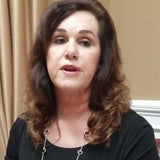
Bertica M. Rubio, M.D.
Medizinischer Direktor, Anti-Aging-Regenerationsmedizinische Klinik | Facharzt | Dartmouth Medical School
Read bio
Dr. Bertica M. Rubio ist eine zertifizierte Ärztin und medizinische Leiterin der Anti-Aging-Regenerationsklinik in Redlands, Kalifornien. Sie erwarb ihren Bachelor of Science an der Loyola Marymount University und ihren Doktortitel in Medizin an der Dartmouth Medical School (Geisel School of Medicine). Ihre Facharztausbildung in Pädiatrie absolvierte sie am UC Irvine Medical Center.
Mit jahrzehntelanger klinischer Erfahrung spezialisiert sich Dr. Rubio auf Altersmanagement, regenerative Medizin, Wundheilung und Wachstumsfaktor-Therapien. Ihre Praxis verbindet evidenzbasierte medizinische Wissenschaft mit fortschrittlichen ästhetischen und regenerativen Behandlungen, um Patienten zu optimaler Gesundheit und jugendlicher Vitalität zu verhelfen.
Dr. Rubio ist leidenschaftlich daran interessiert, Patienten über die Wissenschaft hinter Hautpflege, Gesichtsverjüngung und nicht-invasiven Technologien wie EMS (Elektrische Muskelstimulation) zur Gesichtstonung aufzuklären. Ihre Artikel für PureLift LAB verbinden fundiertes medizinisches Wissen mit praktischen Anleitungen für echte, nachhaltige Ergebnisse.
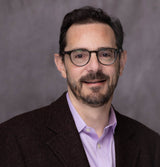
Daniel Grinberg, MD, FACS
Facharzt für Hals-Nasen-Ohren-Heilkunde und Kopf-Hals-Chirurgie | Fellow des American College of Surgeons | Assistenz-Professor für Klinische Medizin, Mount Sinai School of Medicine
Read bio
Daniel Grinberg, MD, FACS, ist ein von der Ärztekammer zertifizierter Hals-Nasen-Ohren-Arzt und Kopf-Hals-Chirurg bei ENT and Allergy Associates in West Nyack, NY. Er erwarb seinen medizinischen Abschluss an der Columbia University College of Physicians and Surgeons, absolvierte seine Facharztausbildung in Hals-Nasen-Ohren-Heilkunde am New York University Medical Center und ist Assistenzprofessor an der Mount Sinai School of Medicine. Er ist Fellow sowohl des American College of Surgeons als auch der American Academy of Otolaryngology.
Dr. Grinbergs Perspektive als Kopf-Hals-Chirurg bietet den Lesern von PureLift LAB eine erweiterte klinische Sichtweise — er verbindet die EMS-Anwendung zu Hause mit der zugrunde liegenden medizinischen Anatomie mit derselben wissenschaftlichen Genauigkeit, die wir auf jede Gerätespezifikation anwenden.

Prof. Dr. med. Ivo Buschmann
Lehrstuhl für Angiologie, Medizinische Hochschule Brandenburg | Klinikdirektor, Universitätsklinik für Angiologie, Brandenburgisches Klinikum | Ehemaliger Oberarzt, Charité Universitätsmedizin Berlin
Read bio
Prof. Dr. med. Ivo Buschmann ist Lehrstuhlinhaber für Angiologie an der Medizinischen Hochschule Brandenburg Theodor Fontane (MHB) und Klinikdirektor der Universitätsklinik für Angiologie am Brandenburgischen Universitätsklinikum. Er absolvierte seine medizinische Ausbildung an der Universität Hamburg, war Max-Planck-Gesellschaft-Stipendiat am Max-Planck-Institut für Herz- und Lungenforschung und hatte leitende Oberarztpositionen an der Charité Universitätsmedizin Berlin Campus Virchow inne, bevor er 2016 zum Lehrstuhlinhaber an der MHB berufen wurde.
Prof. Buschmann ist einer der führenden europäischen Experten für Arteriogenese – das durch Fluss angetriebene Wachstum und die Umgestaltung von Blutgefäßen – mit mehr als 150 begutachteten Veröffentlichungen und mehreren US- und EU-Patenten für Geräte, die das Wachstum von Kollateralgefäßen durch kontrollierte Scherkräfte-Therapie stimulieren. Seine Forschung verbindet mechanische und elektrische Stimulation mit vaskulärer Anpassung, Mikrozirkulation und Gewebeperfusion.
Die Beiträge von Prof. Buschmann bieten den Lesern von PureLift LAB eine gefäßbiologische Perspektive, die unsere bestehenden Autoren aus den Bereichen Klinik, Physiotherapie und chirurgische Anatomie ergänzt – und erklären, wie EMS-Stimulation nicht nur die Gesichtsmuskeln, sondern auch die Mikrozirkulation, die sie versorgt, aktiviert und warum eine intelligente Anwendung auf der Ebene des Blutflusses ebenso wichtig ist wie die Muskelkontraktion.
Teilen
We found no evidence that microcurrent causes cancer, and it is a very low electrical current rather than radiation, but people with active cancer are advised not to use it and should ask their oncologist first.
This article answers the common worries, such as:
- whether microcurrent causes cancer
- whether it is a form of radiation
- why active cancer is a reason not to use it
- what to do with a history of cancer
- moles and skin spots
and many more!
If you have a cancer diagnosis or history, your doctor's advice comes before anything here.
Key Points:
We found no published evidence that microcurrent causes cancer.
Microcurrent is a very low electrical current measured in microamps, not ionizing radiation like X-rays.
Esthetics training materials list active cancer as a reason not to use electrical treatments, because increased circulation and metabolism are a concern near a tumor.
Anyone with a history of cancer should get their oncologist's approval before using a facial current device.
Do not use a device over a mole or skin spot that is new, changing or bleeding, and have it checked by a dermatologist.
Does microcurrent cause cancer
We found no published evidence that microcurrent causes cancer. It has been used in medical and salon settings for decades. Its history is in our history of microcurrent.
Long term safety is covered in our long term side effects article.
Is microcurrent radiation
No. Microcurrent is a very low electrical current, measured in millionths of an amp, passed between two contact points on the skin.
It is not ionizing radiation, the type in X-rays that can damage DNA. What the units mean is in our microamps explainer.
Why active cancer is a reason not to use it
Esthetics training materials list active cancer or malignant tumors as a reason not to use electrical treatments, including microcurrent and LED. The concern is that increased circulation and cell activity could be unwanted near a tumor.
This is a precaution, not evidence that microcurrent causes cancer. Anyone in active treatment should not use a facial current device unless their oncologist approves it.
If you have a history of cancer
Ask your oncologist before starting, and tell them which device you plan to use.
If you have had surgery or radiotherapy on the face or neck, ask whether the treated area should be avoided.
If you have metal implants from surgery, these also need your doctor's clearance.
Moles and skin spots
Do not use a device over a mole or spot that is new, changing, itchy or bleeding. Have it checked by a dermatologist first.
Other reasons not to use microcurrent
Do not use any facial current device if you have a pacemaker or other implanted electronic device, if you are pregnant or if you have epilepsy, and skip broken or irritated skin. The full list is in our safety article.
A pacemaker or implanted device is covered in our pacemakers and implants article.
If you are cleared to use a device
Start on a low level, follow the usual technique and stop if anything feels wrong.
Our devices run nanocurrent at level 1, microcurrent at level 2 and EMS from level 3 to 10, plus an Infuse pass, on one dial, with a ten minute session and no more than three minutes per side of the face, and they work with any water-based conductive serum.
Frequently asked questions
Can microcurrent cause cancer
We found no published evidence that it does.
Is microcurrent a form of radiation
No. It is a very low electrical current, not ionizing radiation like X-rays.
Can I use microcurrent if I have cancer
Not without your oncologist's approval. Active cancer is listed as a reason not to use electrical treatments.
Can I use microcurrent after cancer treatment
Ask your oncologist first, especially if you had surgery or radiotherapy on the face or neck.
Can I use microcurrent over moles
Avoid any mole or spot that is new or changing, and have it checked by a dermatologist.
This article sits inside our full map of the category, where we set out all 33 devices we track, what each one carries and what each brand publishes: Nine Technologies on One Dial, What the Rest of the Market Actually Carries.