

Microcurrent for Hair Growth, Does It Work
Medically reviewed by
4 independent reviewers

Andrew Conrad Barile, PT, DPT
Doctor of Physical Therapy (DPT) | Licensed Physical Therapist (PT) | CEO and Founder, Xtreem Pulse LLC
Read bio
Dr. Andrew Conrad Barile is a Doctor of Physical Therapy and the CEO and Founder of Xtreem Pulse LLC, the engineering company behind PureLift. He earned his Doctorate in Physical Therapy from Daemen College and is a licensed physical therapist.
He brings over two decades of clinical and entrepreneurial experience across physical therapy, craniosacral therapy and medical device innovation, built on a working knowledge of human anatomy and muscle physiology.
For PureLift LAB he reviews how current is delivered across all ten levels, from sub-sensory nanocurrent and skin-level microcurrent to motor-level EMS, and how the Infuse pass fits into the same ten-minute routine.
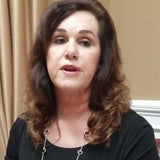
Bertica M. Rubio, M.D.
Board-Certified Physician, Dartmouth Medical School | Medical Director, Antiaging Regenerative Medicine Clinic
Read bio
Dr. Bertica M. Rubio is a board-certified physician and Medical Director of the Antiaging Regenerative Medicine Clinic in Redlands, California. She earned her Doctor of Medicine from Dartmouth Medical School and completed her pediatrics residency at UC Irvine Medical Center.
With decades of clinical experience, she specialises in age management medicine, regenerative medicine, wound healing and growth factor therapies, and her practice integrates evidence-based medical science with advanced aesthetic treatment.
For PureLift LAB she reviews articles for medical accuracy across the whole dial, from the gentle nanocurrent and microcurrent settings through to muscle-level EMS and the Infuse pass.
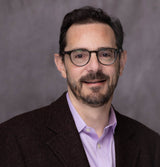
Daniel Grinberg, MD, FACS
Board-Certified Otolaryngologist | Head and Neck Surgeon | Fellow, American College of Surgeons | Mount Sinai
Read bio
Daniel Grinberg, MD, FACS is a board-certified otolaryngologist and head and neck surgeon at ENT and Allergy Associates in West Nyack, New York. He earned his medical degree from Columbia University College of Physicians and Surgeons.
He completed his otolaryngology residency at New York University Medical Center, serves as Assistant Clinical Professor at Mount Sinai School of Medicine, and is a Fellow of both the American College of Surgeons and the American Academy of Otolaryngology.
For PureLift LAB he brings a wider clinical lens, connecting at-home facial stimulation from microcurrent to EMS to the anatomy underneath, with the same rigour we apply to every device specification.

Prof. Dr. med. Ivo Buschmann
Chair of Angiology, Medizinische Hochschule Brandenburg | Clinic Director, University Clinic for Angiology
Read bio
Prof. Dr. med. Ivo Buschmann is Chair of Angiology at the Medizinische Hochschule Brandenburg Theodor Fontane and Clinic Director of the University Clinic for Angiology at the Brandenburg University Hospital.
He trained at the University of Hamburg, was a Max Planck Society Fellow at the Max Planck Institute for Heart and Lung Research, and held senior consultant posts at the Charite Universitatsmedizin Berlin before his appointment as Chair in 2016.
One of Europe's leading authorities on arteriogenesis, with over 150 peer-reviewed publications and US and EU patents, he reviews for PureLift LAB how the evidence on electrical stimulation is read and where its limits lie.
Share
The evidence for microcurrent and hair growth is limited to small, early studies, so it is not an established hair loss treatment, while options such as minoxidil, prescription medicines and FDA-cleared red light laser devices have much stronger support.
This guide covers what is known, such as:
- what the research on electrical stimulation and hair suggests
- why the evidence is still weak
- treatments with stronger evidence
- when to see a dermatologist
- why facial devices are not designed for the scalp
and many more!
We make facial devices, not hair growth tools, so this article is about pointing you to what has real evidence.
Key Points:
A few small studies have explored electrical stimulation for hair, but the evidence is early and limited.
No microcurrent device has the strength of evidence that minoxidil or prescription treatments have.
Low-level laser and red light devices for the scalp have FDA clearances for some types of hair loss.
Sudden, patchy or rapid hair loss should be checked by a dermatologist, because the cause matters.
Facial microcurrent devices are designed and cleared for the face, not for hair growth.
Why people ask
Microcurrent is used to support a firmer look on the face, and interest in electrical stimulation for the scalp has grown alongside it. The idea is that current might support blood flow and activity around hair follicles.
It is an appealing idea, but appeal is not the same as evidence, and hair loss has many different causes that need different treatments.
What the research suggests
Researchers have tested several forms of electrical and electrostatic stimulation for hair over the years, and some small studies reported more hair or slower loss. These studies were mostly small, used different devices and settings, and have not been followed by the large, independent trials needed to call it a proven treatment.
Microcurrent therapy has a broader research history in other areas, outlined in our article on what microcurrent therapy is used for.
Treatments with stronger evidence
| Treatment | Evidence | Notes |
|---|---|---|
| Minoxidil | Strong | Over the counter, needs ongoing use |
| Prescription medicines | Strong for some types | Discuss with a doctor |
| Low-level laser and red light devices | Moderate, FDA cleared for some types | Home caps and combs |
| Platelet-rich plasma | Growing | Clinic treatment |
| Microcurrent | Limited | Early, small studies |
How red light compares with microcurrent on the face is in our microcurrent vs red light article.
When to see a dermatologist
Hair loss that is sudden, patchy, comes with scalp itching or scaling, or follows illness, a new medication or pregnancy deserves a dermatologist's assessment. Thyroid problems, low iron and hormone changes can all play a role, and the right treatment depends on the cause.
Why a facial device is not a scalp treatment
Facial microcurrent devices are designed and cleared for the face. Hair blocks contact with the skin, conductive gel is hard to use through hair, and none of the evidence for facial toning applies to follicles.
Use your facial device where it is designed to work. A randomized controlled trial by Kavanagh and colleagues, published in 2012, measured the effect of facial electrical stimulation after twelve weeks of regular use. Our devices run nanocurrent at level 1, microcurrent at level 2 and EMS from level 3 to 10, plus an Infuse pass, on one dial, with a ten minute session and no more than three minutes per side of the face, and they work with any water-based conductive serum.
Do not use any facial current device if you have a pacemaker or other implanted electronic device, if you are pregnant or if you have epilepsy, and skip broken or irritated skin. The full list is in our safety article.
Frequently asked questions
Does microcurrent help hair growth
The evidence is limited to small, early studies, so it is not an established hair loss treatment.
Can I use my facial microcurrent device on my scalp
Facial devices are designed and cleared for the face, not for hair growth.
What works best for hair regrowth
Minoxidil and prescription treatments have the strongest evidence, and some low-level laser devices are FDA cleared for certain types of hair loss.
Is red light better than microcurrent for hair
Red light and low-level laser devices have more evidence for hair than microcurrent.
When should I see a doctor about hair loss
If loss is sudden, patchy, comes with scalp symptoms or follows illness, medication changes or pregnancy.
This article sits inside our full map of the category, where we set out all 33 devices we track, what each one carries and what each brand publishes: Nine Technologies on One Dial, What the Rest of the Market Actually Carries.